


Chances are you have used an over-the-counter (OTC) medicine to treat a headache, relieve allergy symptoms, or manage a cold. Like prescription medicines, OTC medicines should be used as instructed on the label. In this blog, we’ll cover the basics of OTC medicines and ways to make sure they are being used and stored safely.
Tag: Safe Storage

Travel plans bring excitement and change, but they can also bring new risks. New places, different routines, and common traveling mistakes can all increase the risk of poisonings.


We hear this all the time at the Maryland Poison Center. And we do believe what happened. You may think you’re the first person to have done something worth calling the Poison Center about, but chances are our experts have heard it before.


Antidepressants are medicines that are prescribed to treat symptoms of depression, anxiety, and other mental health conditions. Sometimes they are prescribed for other conditions such as chronic pain, sleeping disorders, and migraine.

Did you know that about one in six Americans are caregivers providing care to adults (18 years and older) with a disability or illness? Let’s review poison safety tips for caregivers.

Poisonings are very common in children under the age of six, and 90 percent of the time they happen at home! So before you go out for a date night, talk with your babysitter about poison safety.

Poisonings don’t take a vacation. They happen 365 days a year. Stay safe while away with these tips!

Herbicides, also known as weed killers, are a common household product. The spring season brings warmer weather and a chance to spend more time outside. You may also notice more weeds growing in your lawn or garden. Learn more about herbicides.

Most people have car care products stored in their garage. Not only do we need to keep ourselves safe when using them, but also keep kids safe whenever they visit your garage.
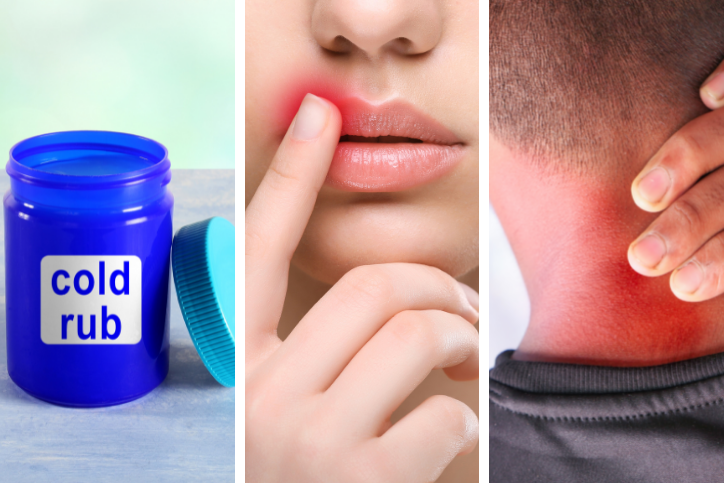
Camphor is a chemical used in a variety of medicines and household products around the world. It is commonly used in creams for its cooling sensation and to provide relief for coughs, itching, cold sores, or sore muscles.