

Antihistamines are a type of medicine commonly used to treat allergies. Antihistamines were involved in approximately 1,200 cases at the Maryland Poison Center (MPC) in 2020. Let’s dive deeper into antihistamines and how to safely use them.
Tag: Safe Storage
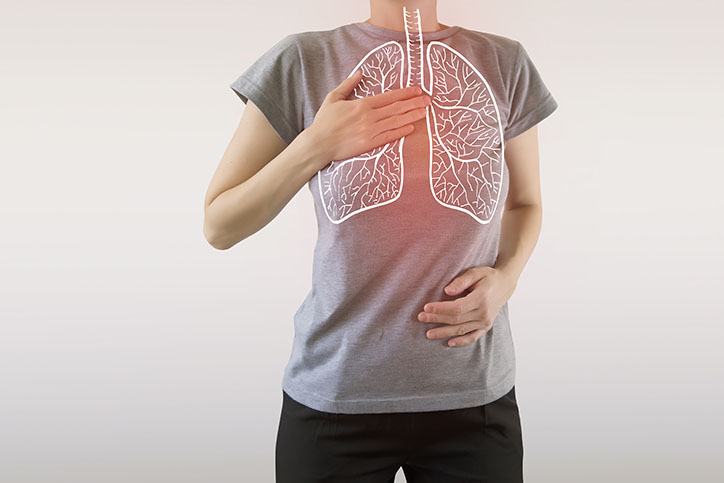
At the Maryland Poison Center (MPC), we talk a lot about poisons that are swallowed. But did you know we manage other types of poison exposures, too? Let’s look at other ways a person can be exposed to a poison, such as inhalation exposures.

Delta-8-tetrahydrocannabinol (THC), also known as delta-8, is becoming an increasingly popular product. Let’s dive deeper into what you need to know about delta-8 to help keep you and your loved ones safe.
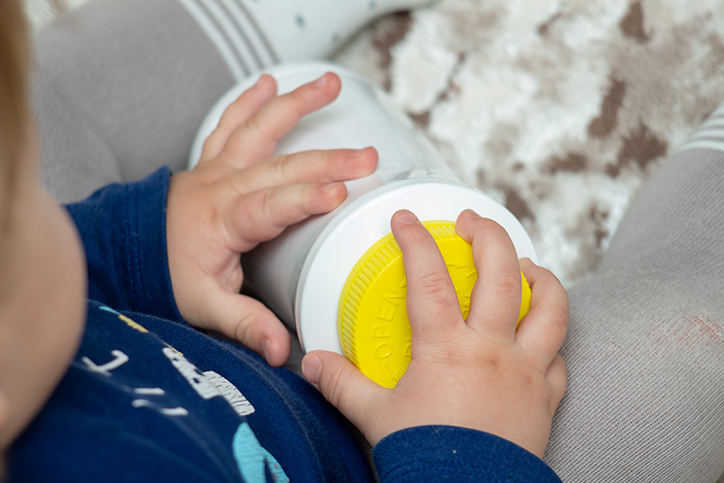
Child-resistant packaging first came into Americans’ lives in 1970. Hundreds of children had been dying each year after getting into household products and medicines. Then the Poison Prevention Packaging Act (PPPA) was signed into law.

Button batteries are tiny, but dangerous. They are found in toys, remote controls, hearing aids, watches, musical greeting cards, calculators, and other electronic devices. Many button batteries are smaller than a quarter. Because of their small size, a button battery can be easily swallowed by a child without a parent realizing.

Children under the age of six accounted for 36% of cases at the Maryland Poison Center (MPC) in 2019. One common reason for unintentional exposures in children is that they are not able to tell the difference between products that look alike. Teach young children to “Stop, Ask First” before touching, tasting, or smelling something.

As a new parent, it’s exciting each time your baby reaches a new milestone. As soon as a baby starts to scoot, crawl, cruise, or walk, it’s time to baby proof.

Do you take medicines? Are you a caregiver to someone who takes medicines? If so, medicine safety is important for you!


Safe storage is one of the best ways to help prevent poisonings and overdoses. This seemingly simple idea includes many layers. Let’s explore these layers to help ensure your home is poison safe for your family, visitors, and pets.


Trusting someone else to watch your child can be difficult. Know that the Maryland Poison Center has your back. Poisonings are most common in kids,…