
The abuse of prescription and non-prescription opioids is one of the largest public health threats in the U.S. today. More than 200 Americans die every day from an opioid overdose, and nearly 6.5 million Americans misuse prescription opioids that are often used to treat chronic pain. Outside of misuse and abuse, accidental overdose can occur with new prescriptions, children swallowing something they found, or medical conditions leading to a build-up of the drug in the body. Naloxone is widely recognized as a life-saving medicine that can quickly and temporarily reverse an opioid overdose. In this blog, we’ll discuss naloxone, how it works, and important information to know about preventing opioid overdose deaths.
What is Naloxone?
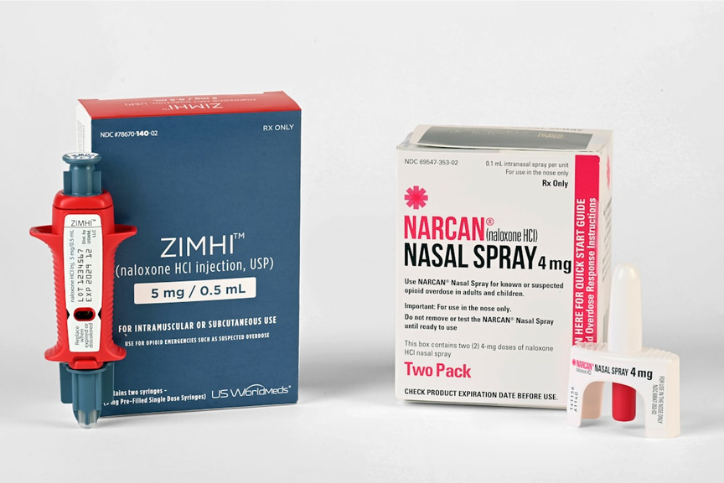
Naloxone is a medicine that quickly reverses the effects of an opioid overdose. It comes in two forms:
- An injection (given into a muscle or vein, or under the skin)
- A nasal spray (sprayed into the nose)
Injectable naloxone is usually given by health care providers in a clinical or emergency health care setting. People at higher risk of an opioid overdose, or those who may need to help someone who is overdosing, may also get injectable naloxone with a prescription from their health care provider.
Naloxone nasal spray became available by prescription in 2015, many years after the injectable form. The nasal spray is easy for most people to use because it requires no additional equipment and minimal training.
Naloxone can reverse overdoses caused by opioids such as:
- Fentanyl
- Heroin
- Hydromorphone
- Oxycodone
- Hydrocodone
- Codeine
What is Narcan®?
Narcan® is a brand of naloxone nasal spray. In 2023, it became the first naloxone nasal spray approved by the U.S Food and Drug Administration (FDA) for over-the-counter (non-prescription) use.
Other naloxone nasal spray brands include Kloxxado®, Rezenopy®, LifEMS Naloxone (DSC), Zimhi®, RVive® and Rextovy™. Some of these require a prescription, while others like RVive® and Rextovy™ are available over-the-counter.
Narcan is available without a prescription in all 50 states and the District of Columbia. You can find it at many pharmacies, grocery stores, convenience stores, gas stations, and online.
For the first time in many years, the number of opioid overdose deaths in the United States decreased in 2023, due in part to the increased availability of naloxone.
How does Naloxone Work?
Naloxone is an opioid antagonist, meaning it binds to opioid receptors in the brain without activating them. During an overdose, opioids bind to the opioid receptors in the brain. When naloxone is given, it pushes the opioids off the receptors and takes its place, reversing or blocking the effects of the opioids on the body.
Even though naloxone is a nasal spray, the person does not have to inhale it for it to work. The naloxone is absorbed through the lining of the nose and starts working within minutes.
Signs and Symptoms of an Opioid Overdose
Recognizing the signs of an overdose can be lifesaving. Signs and symptoms include:
- Slow or stopped breathing
- Very small “pinpoint” pupils
- Unable to wake up or respond
- Limp body or limbs
- Bluish, cold, or clammy skin
- Weak heartbeat
- Choking or gurgling sounds
If you notice these signs, call 911 immediately and give naloxone if you have it.
Important Considerations When Using Naloxone
The most important step when giving naloxone is to call 911, even if the person wakes up or starts breathing again. Naloxone lasts approximately 30-120 minutes, depending on the person. If the person overdosing took a long-lasting or large dose of an opioid, the overdose symptoms can return after the naloxone wears off. Naloxone is not a replacement for emergency medical care for an overdose. It is meant to keep the person alive until emergency medical help arrives.
Some people experiencing an overdose may need more than one dose of naloxone. Consider carrying two doses. Other brands of naloxone nasal spray have different doses that are labeled on the package. If a second dose is needed, use a new device and spray it into the other nostril.
Naloxone only works for opioid overdoses. It does not reverse overdoses caused by alcohol or drugs such as methamphetamine or cocaine. In cases of mixed-substance overdoses, naloxone can still be helpful if opioids are involved, but emergency medical help is still needed. If you think someone has overdosed on any drug, call 911 right away.
If you give naloxone to someone who does not have opioids in their system, it will not harm them or have any effect.
After receiving naloxone, a person with opioids in their system may immediately experience opioid withdrawal symptoms because the effects of the opioids have been suddenly blocked. If they were taking prescription opioids for pain relief, their pain may return. Other withdrawal symptoms may include:
- Vomiting
- Nausea
- Headache
- Itching
- Runny nose
- Shaking
- Irritability
Having over-the-counter naloxone on hand is an important step to saving the lives of those experiencing an opioid overdose. To learn how to administer naloxone nasal spray, watch the Naloxone Training video from the Maryland Department of Health.
If you have questions about naloxone, opioids, or substance abuse, call the Maryland Poison Center at 1-800-222-1222 to speak with a poison specialist. We’re open 24 hours a day, seven days a week, and every call is free and confidential.