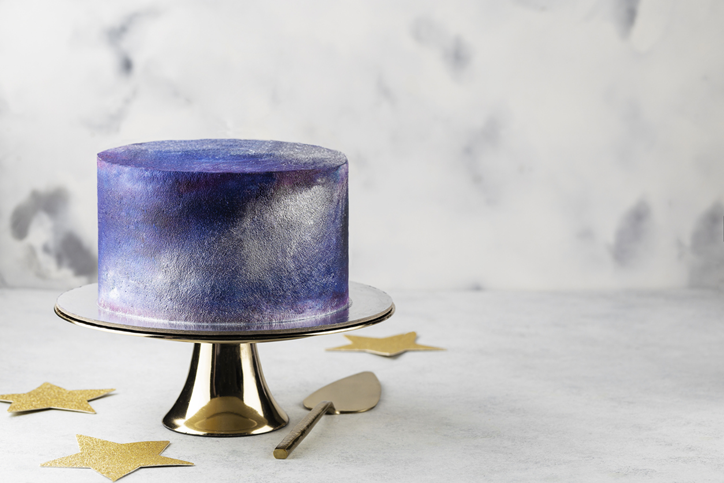
In 2018, six children from Rhode Island developed vomiting and diarrhea after attending a birthday party. The cause was traced back to the shimmering birthday cake, decorated with toxic luster dust.
While some cake decorating products are safe to eat, labeled as edible, others may contain heavy metals that can be harmful if swallowed. Shimmering dust used on cakes, other baked goods, and even in drinks has become more popular over the years. Let’s look at luster dust and how to prevent poisonings when using this product.
What is luster dust?
Luster dust is a widely used cake decorating product, also known as petal dust, pearl dust, highlighter, or shimmer powder. It is a tasteless, finely ground pigmented powder that is sprinkled or brushed onto cakes to create a colorful, shiny, or sparkling finish. Luster dust is available in many shades, brands, and in many stores such as craft and grocery stores.
Luster dust is often labeled as either “edible” or “non-toxic,” but labels are not always clear. Some luster dust products that are labeled as “non-toxic” are actually toxic and should not be eaten. Always look for the ingredients list on the label before using.
What does luster dust contain?
Edible luster dust contains FDA-approved ingredients and food color additives such as:
- Corn starch
- Titanium dioxide (used for white pigment)
- Iron oxide (used red or brown pigment)
- Mica-based pearlescent pigments (used for shimmering effects)
Edible luster dust should be labeled as “edible” and has an ingredient list on the package when it’s safe to be eaten.
Non-edible luster dust may contain various toxic heavy metals in addition to FDA-approved ingredients and food color additives. It is very important to read the label on the product before using an edible item. Heavy metals that have been found in luster dust include:
- Copper (often in rose gold luster dust)
- Lead (often in primrose, gold, and silver luster dust)
- Aluminum (often in silver and pearlescent luster dust)
- Manganese
- Barium
- Zinc
Non-edible luster dust is often labeled “non-toxic,” “for decoration only,” or “not for consumption.” If a label contains any of these phrases and does not include an ingredients list, the product should not be consumed.
Symptoms of heavy metal poisoning
Heavy metal poisoning from eating toxic luster dust can cause life-threatening symptoms if not treated. Typically, single exposures to heavy metals will not cause any symptoms. Larger or chronic exposures (multiple exposures over a period of time) can cause heavy metal poisoning. Signs and symptoms of heavy metal poisoning differ depending on the type of metal and can range in severity based on the level of exposure. Symptoms of heavy metal poisoning may include:
- Confusion
- Stomach pain
- Nausea or vomiting
- Diarrhea
- Chills or low body temperature
- Dehydration
- Feeling weak
- A scratchy feeling in your throat
- Numbness or prickly sensation in your hands and feet
If you or someone else is experiencing symptoms of heavy metal poisoning or life-threatening symptoms, go to the emergency room immediately.
Luster Dust Poison Prevention Tips:
- If a cake decorating product label includes “non-toxic” or “for decorative purposes only,” do not eat it. Remove it from the cake before serving or eating the cake. If the label says “edible,” it is likely safe to eat.
- Before using a product, read its list of ingredients. Do not eat a product if ingredients are not listed.
- Check the FDA website for information on product recalls, market withdrawals, and safety alerts related to these products.
If you or someone else is experiencing life-threatening symptoms, seek medical treatment immediately. If you or someone else experiences a poisoning, but is not experiencing life-threatening symptoms, follow our first aid steps and then call the Maryland Poison Center at 1-800-222-1222 to speak with a poison specialist. Calling your local poison center is free, fast, confidential, and available 24/7.