
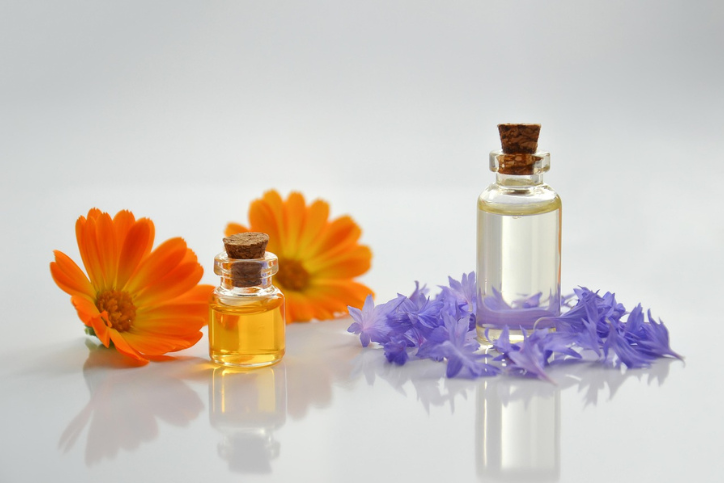
What are essential oils?
Essential oils are concentrated liquids extracted from plants. “Essential” refers to the essence or concentrate of the plant, not that it is a necessary or essential component needed in the human body. These products are found in flavorings, air fresheners, soaps, perfumes, cleaning products, and used in diffusers for aromatherapy. Even though these products are made from natural sources, they are not always safe. Serious side effects can happen when used incorrectly.
What is aromatherapy?
Aromatherapy is the use of essential oils as complementary health therapy, often by inhaling the scent of the oil or applying diluted amounts of it to the skin. The safest way to dilute oils for application to the skin is by mixing them with water. Full-strength essential oils should not be applied directly to the skin.
Can essential oils be used as medicine?
Unlike over-the-counter medicines or prescriptions from your pharmacy, most essential oils are not regulated by the U.S. Food and Drug Administration (FDA). In order for a product to be regulated by the FDA, it must be used for treatment or prevention of disease, or affect the structure or function of the body. FDA-approved products undergo testing for safety and effectiveness before being available to the public. For more information about aromatherapy and FDA approval, visit the FDA’s aromatherapy website.
What effects do essential oils have?
Essential oils are concentrated products and are meant to be used in small amounts or mixed with water. When used incorrectly, there can be significant effects that may require further medical care. Applying concentrated essential oil directly to the skin can be very irritating, causing rashes, burns, or allergic reactions. Caution should be used when applying essential oils to the skin, especially around the eyes and nose. Ingesting as little as a teaspoon of concentrated essential oil can result in harmful effects, especially in children.
Examples of common essential oils – their uses and effects
- Peppermint oil – Used for flavoring food, digestive disorders, cough and cold assistance, and topical pain relief. Can cause skin irritation when applied directly to the skin. When ingested, can cause changes in mental status, unsteady walking, and can interact with medicines, potentially causing other effects.
- Penny Royal oil – a type of peppermint oil that is extremely toxic. Can cause seizures, liver injury, and kidney injury.
- Eucalyptus oil – Used for relief of respiratory (breathing) irritation and for fragrance. When ingested, can cause drowsiness, slurred speech, and seizures.
- Clove oil – Used for flavoring food, toothaches, boosting immunity, and as an insect repellent. Can cause allergic reactions and skin irritation when applied directly to the skin. When ingested, can cause tiredness and liver injury.
- Tea tree oil – Used as an antifungal or antibacterial product and often to treat acne. When ingested, can cause drowsiness, slurred speech, and unsteady walking.
- Wintergreen oil – Used for flavoring food, fragrance, and topical pain relief. Can cause seizures, trouble breathing, and ringing in the ears.
- Lavendar oil – Used for flavoring food, fragrance, mood enhancer, and decreasing anxiety. Can cause an allergic reaction and skin rash.
- Camphor oil – Used for its cooling sensation and pain relief and as a moth repellent. Can cause seizures (within minutes of exposure) and dizziness.
Essential Oil Safety
The two best ways to prevent poisonings from essential oils are:
- Keep products stored up, away, and out of sight – preferably locked away.
- Read the directions and follow them each time you use essential oils.
It is important to note that essential oils can also be found in common over-the-counter creams and ointments.
When applying to the skin, apply only to the affected area and do not cover the area with tight bandages or apply heat.
If you have essential oils or products that contain essential oils that you are no longer using, discard them as you would other medicines. You can mix these products with coffee grounds, dirt, or cat litter before sealing it into a bag and tossing them in the trash. Be sure children and pets do not have access to these products once tossed.
If someone has ingested an essential oil or an essential oil-containing product or if you have questions, please call your local poison center immediately at 1-800-222-1222.
Melinda Lee, PharmD
Senior Clinical Toxicology Fellow
Maryland Poison Center
University of Maryland School of Pharmacy



Leave a Reply