
Valentine’s Day is a time to celebrate love, but some common gifts and treats can be dangerous for our furry friends. Dogs and cats are curious, and even small exposures of certain items can lead to serious illness. In this blog, we share common Valentine’s Day hazards and simple ways to keep your pets safe.
Chocolate
Chocolate is one of the most common gifts given on Valentine’s Day, but it can be very dangerous for pets. Chocolate varies by concentration of cocoa. The higher the concentration, the more dangerous it is for pets. For example, white chocolate is the least harmful, and milk and dark chocolate are the most harmful.
Chocolate contains a chemical called theobromine. If dogs and cats eat chocolate, it can cause:
- Fast or irregular heartbeats
- Restlessness
- Shaking
- Seizures
- Vomiting
- Diarrhea
- Increased thirst
If your pet eats any amount of chocolate, act quickly and contact a veterinarian or a pet poison center right away. To keep pets safe, store chocolate up, away, and out of paws-reach!
Raisins
Raisins are a common ingredient in many baked goods such as cookies, cakes, and breads, but they are extremely dangerous for pets, especially dogs. Eating even a small amount of raisins (plain or baked into foods), can lead to severe kidney failure. Other signs that your pet may have eaten raisins are:
- Vomiting
- Diarrhea
- Stomach pain
If your pet eats (or grapes for non-baked goods), contact a veterinarian or a pet poison center right away. Store raisins and any goods containing raisins out of your pet’s reach.
Xylitol
If your Valentine’s Day sweet treats don’t contain chocolate, they may contain xylitol, which is also harmful to pets. Xylitol is a sugar substitute often found in gummy candies, sugar-free gum, cookies, and other treats. In dogs, xylitol can cause blood sugar to drop very quickly. This can lead to:
- Vomiting
- Weakness
- Depression
- Collapsing
- Shaking
- Seizures
Eating large amounts of xylitol can lead to liver failure, which may be deadly. If you suspect your pet has eaten something containing xylitol, contact a veterinarian or pet poison center right away.
Flowers
Lilies are a popular Valentine’s Day flower, but they are extremely dangerous for cats. Many common lilies, such as Oriental lilies, stargazer lilies, Asiatic lilies, and daylilies, are highly toxic to cats. Cats can be poisoned by any part of the plant, including the petals, pollen, or even the water in the vase. Early signs of poisoning may include vomiting and heavy drooling. This can progress and lead to increased drinking and urination or, in more severe cases, a decrease in urination. Lily poisoning in cats can be deadly, so fast action is important. If you think your cat has been exposed to lilies, contact a veterinarian or pet poison center immediately. Waiting too long to seek help can lower the chance of survival.
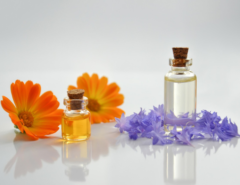
Essential oils
Essential oils are concentrated liquids often found in soaps, air fresheners, and aromatherapy diffusers. These oils can be harmful to pets if swallowed or licked. Some essential oils can affect the brain, liver, or kidneys. Signs of poisoning can include:
- Drooling
- Vomiting
- Trouble walking
- Weakness
- Shaking
Essential oils that are especially risky for pets are tea tree, peppermint, pine, and citrus oils. Keep these products stored safely, making sure to keep the lid or cap closed tightly, and out of your pet’s reach.
Alcohol
Celebrating with wine, champagne, and other alcoholic drinks can be fun for adults on Valentine’s Day, but pets should be left out of the party. Even a small amount of alcohol in pets can cause:
- Vomiting
- Diarrhea
- Trouble walking
- Loss of consciousness
Always keep alcohol up, away, and out of reach of pets.
This Valentine’s Day, show your pets love by saving the number to two pet poison centers in your phone for fast, 24/7, expert help.
Pet Poison Helpline: 855-764-7661 ($89 fee), visit the Pet Poison Helpline website for more information.
ASPCA Animal Poison Control: 888-426-4435 ($95 fee may apply), visit the ASPCA Animal Poison Control website for more information.


Leave a Reply