


Back to school season is officially here! Whether you’re heading back to campus or starting your very first semester, college life comes with plenty of exciting experiences. In this blog, we’ll discuss common poison exposures among college students and ways to prevent poisonings.
Tag: Cleaning Products

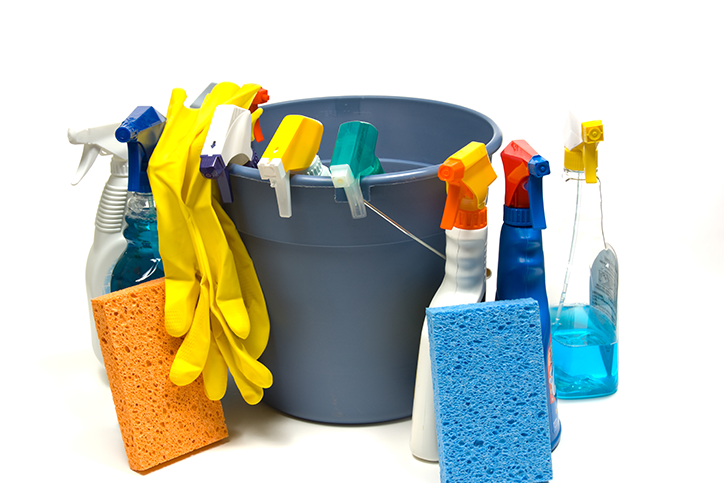
Let’s spring into cleaning safely—because sparkling countertops are great, but accidental poisonings are not!


We are back with part 2 of “Will Kids Really Eat That?” where we continue exploring items we as adults think would be gross to eat but kids actually eat them all the time.

Did you know that about one in six Americans are caregivers providing care to adults (18 years and older) with a disability or illness? Let’s review poison safety tips for caregivers.
There are many myths about poisons and poison centers. We’re here to provide the truth behind these myths.
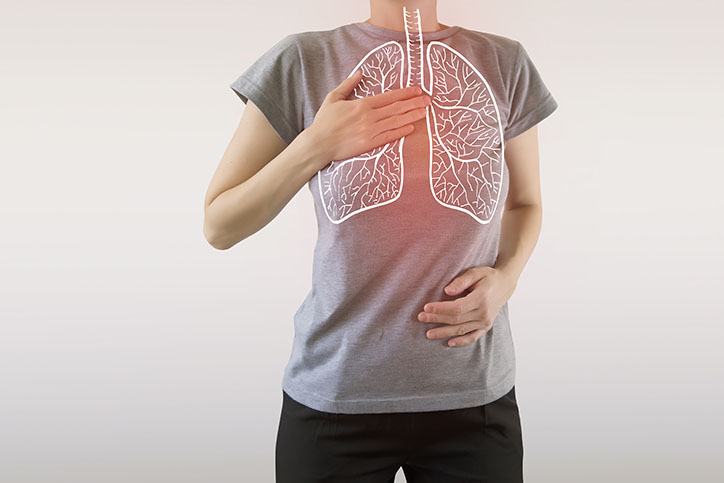
At the Maryland Poison Center (MPC), we talk a lot about poisons that are swallowed. But did you know we manage other types of poison exposures, too? Let’s look at other ways a person can be exposed to a poison, such as inhalation exposures.

At the Maryland Poison Center, we talk a lot about poisons that are swallowed. But, did you know we manage other types of poison exposures, too? Let’s look at other ways a person can be exposed to a poison, such as skin exposures.
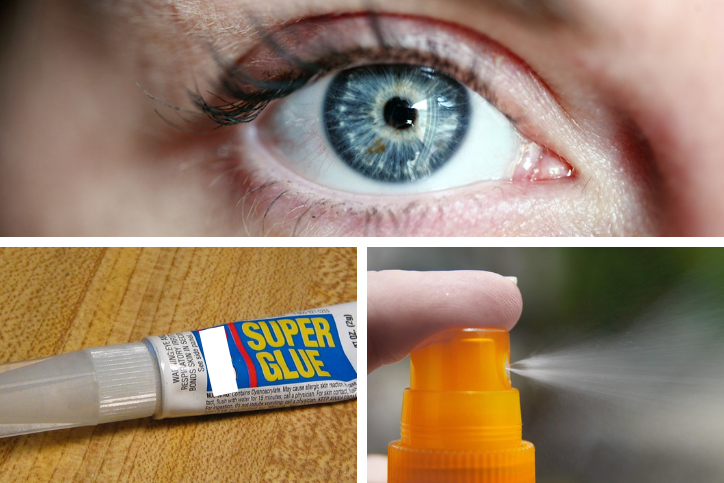
At the Maryland Poison Center, we talk a lot about poisons that are swallowed. But, did you know we manage other types of poison exposures, too? Let’s look at other ways a person can be exposed to a poison, such as eye exposures.

Each season comes with different poison safety risks that we must keep in mind. During the spring season, life gets busy with the return of warm weather, kick-off of sports seasons, and spring break vacations. These tips will help you stay poison safe this spring.
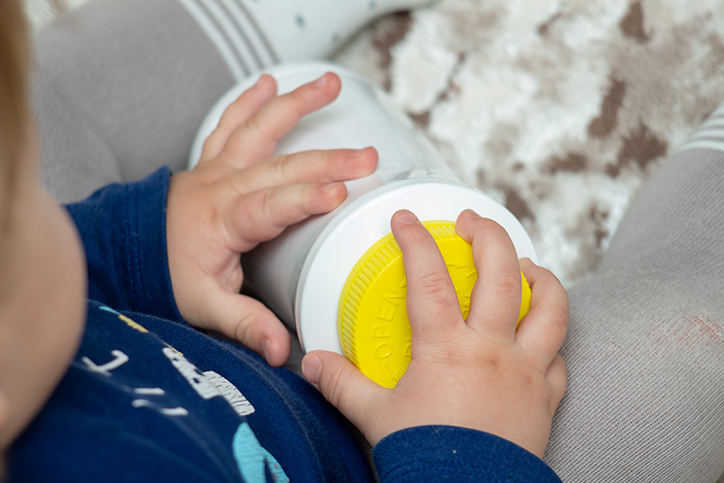
Child-resistant packaging first came into Americans’ lives in 1970. Hundreds of children had been dying each year after getting into household products and medicines. Then the Poison Prevention Packaging Act (PPPA) was signed into law.