


Poisonings are very common in children under the age of six, and 90 percent of the time they happen at home! So before you go out for a date night, talk with your babysitter about poison safety.
eAntidote


We often have students from the University of Maryland School of Pharmacy or the University of Maryland School of Nursing rotating through the poison center for their respective programs. Learn about the experiences and reflections of two students during their Fall 2022 rotations.

One of the goals of our eAntidote blog is to introduce you to the real poison experts who answer the phones at the Maryland Poison Center (MPC), as well as our staff members. Read this Q&A to get to know one of our specialists: Rama Arvind

Poisonings don’t take a vacation. They happen 365 days a year. Stay safe while away with these tips!
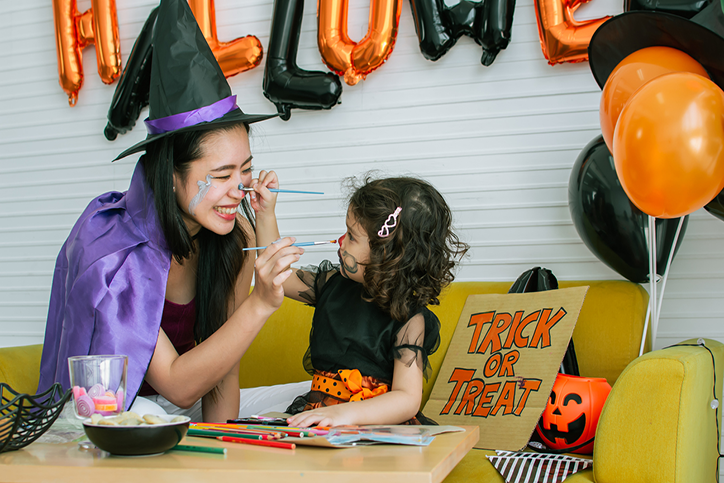
Is your little ghost or ghoul ready to go trick or treating? Are you having a Halloween party? Review some commonly encountered Halloween hazards to keep you and your family safe.

Jimsonweed, also known as “thorn apple” or “devil’s trumpet,” is a plant that’s flowers bloom in the summer and seed pods bloom in the fall.…

One of the goals of our eAntidote blog is to introduce you to the real poison experts who answer the phones at the Maryland Poison Center (MPC), as well as our staff members. Read this Q&A to get to know one of our specialists: Noelle Etube.
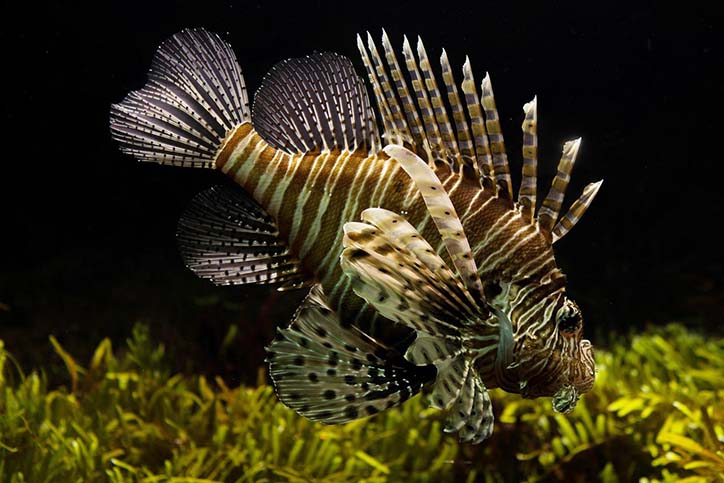
Going fishing and/or eating fish is a common activity. But did you know that certain fish can cause poisonings in humans?

One of the goals of our eAntidote blog is to introduce you to the real poison experts who answer the phones at the Maryland Poison Center (MPC), as well as our staff members. Read this Q&A to get to know our toxicology fellow: Masha Yemets.

Poison hemlock is a toxic weed that grows in almost every state in the United States. It is found in fields and vacant lots and along roads, fences, and streams. All parts of the plant are toxic due to an alkaloid called coniine.