

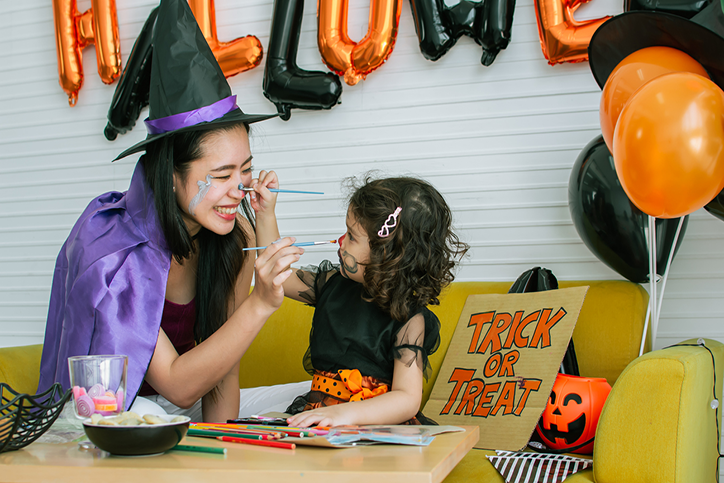
Is your little ghost or ghoul ready to go trick or treating? Are you having a Halloween party? Review some commonly encountered Halloween hazards to keep you and your family safe.
Category: Poison Safety
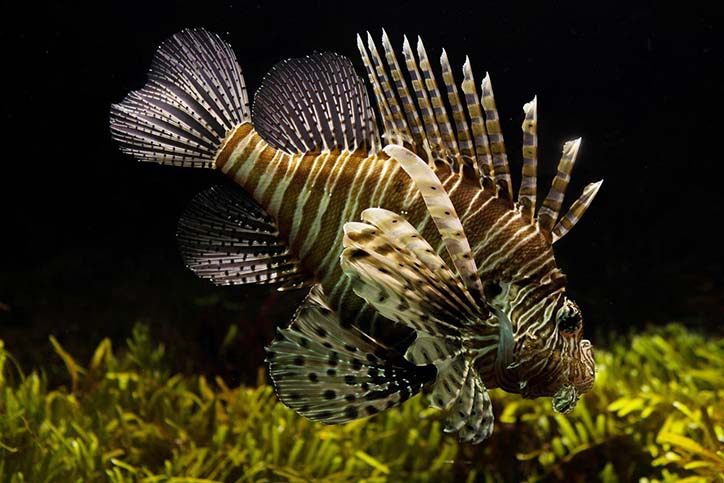
Going fishing and/or eating fish is a common activity. But did you know that certain fish can cause poisonings in humans?


June is National Safety Month! While the main focus is workplace safety, a lot of the information and safety tips also applies to your home and wherever else you may be.
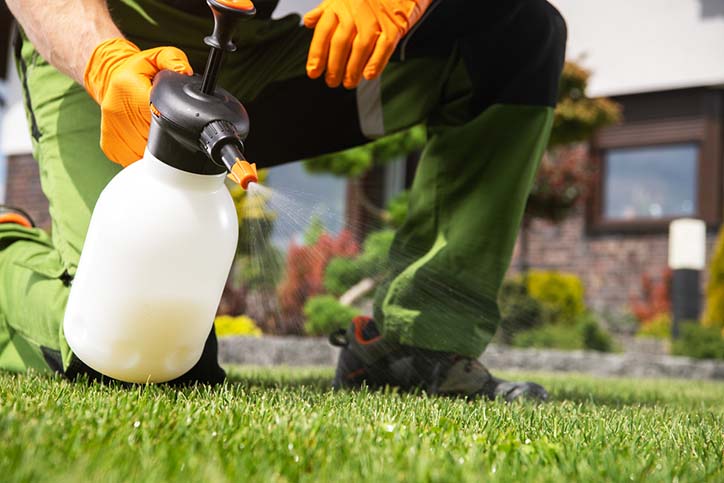
Herbicides, also known as weed killers, are a common household product. The spring season brings warmer weather and a chance to spend more time outside. You may also notice more weeds growing in your lawn or garden. Learn more about herbicides.
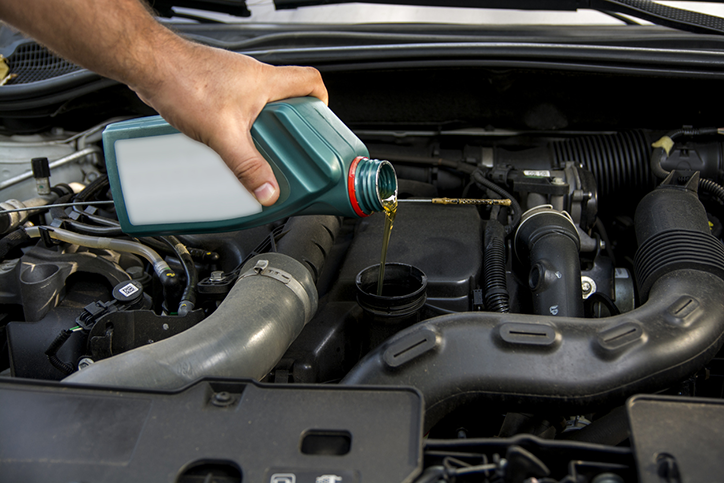
Most people have car care products stored in their garage. Not only do we need to keep ourselves safe when using them, but also keep kids safe whenever they visit your garage.
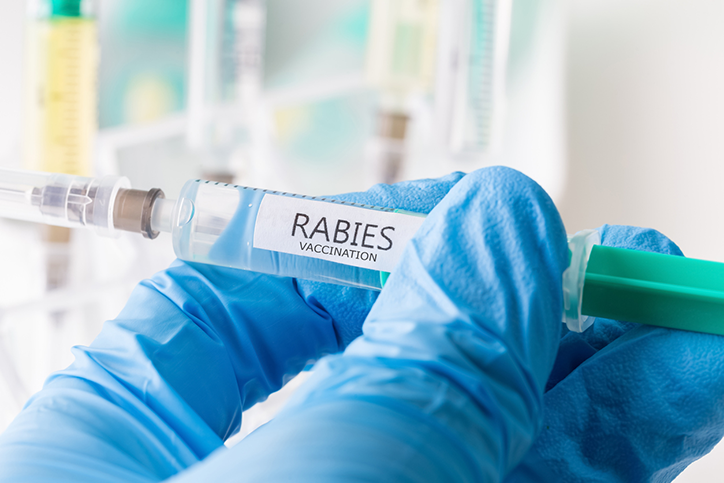
Coming into contact with wildlife in Maryland can be exciting but sometimes dangerous. Any mammal can carry rabies and pass it to humans.
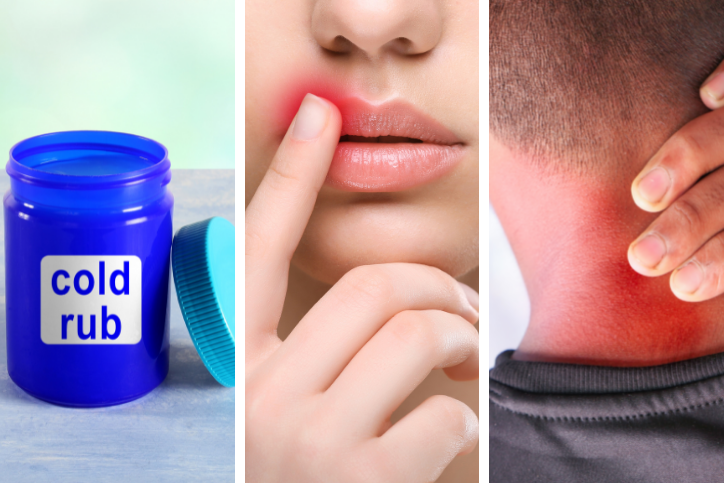
Camphor is a chemical used in a variety of medicines and household products around the world. It is commonly used in creams for its cooling sensation and to provide relief for coughs, itching, cold sores, or sore muscles.

Many people enjoy gardening. It’s a fun hobby with endless options of plants to choose from! Succulents are popular garden additions. They are valued for their hardiness, meaning they thrive in different temperatures, levels of light, and time between watering.

People often think that poison centers are only for little kids, but that’s not true. Poison centers are for everyone, including tweens and teens. It’s important that tweens and teens are familiar with safety tips and tools to keep themselves safe.
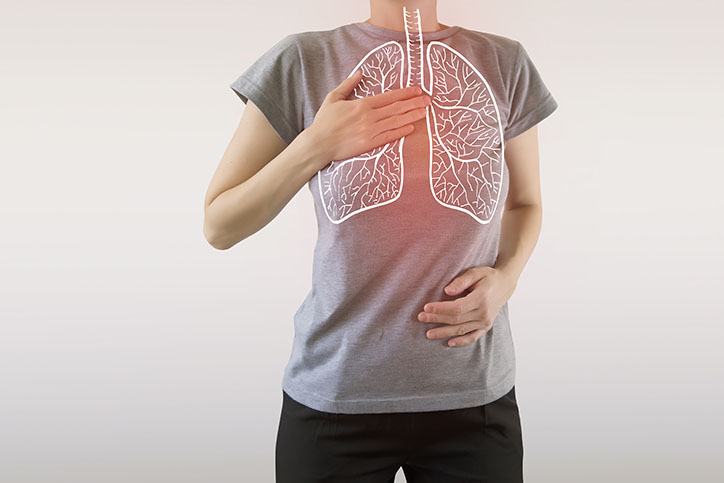
At the Maryland Poison Center (MPC), we talk a lot about poisons that are swallowed. But did you know we manage other types of poison exposures, too? Let’s look at other ways a person can be exposed to a poison, such as inhalation exposures.